Is an Illuminated Mirror a Good Idea for a Cramped Vanity Area?
When it comes to UK residential developments, especially those catering to urban buyers, every inch of space counts. Bathrooms, in particular, can make or break a property’s appeal. With many modern flats and homes sporting compact bathrooms with limited natural light, the question arises: can an illuminated mirror truly enhance a cramped vanity area? Having worked alongside developers, landlords, and design professionals, and with a few dozen show home walkthroughs under my belt, I’ve noticed how buyers gravitate to that all-important vanity wall. It’s where they linger, where they make assessments about space, light, and practicality. So let’s break down why an LED mirror just might be the magic ingredient — without falling for buzzwordy product claims.
The Bathroom as a Driver of Property Appeal
It may sound cliché, but the bathroom truly is a key decision driver for buyers and renters alike. Across UK residential marketplaces from Buildington listings to high-end properties featured by Forbes Global Properties, bathrooms feature heavily in property listing photography. Why? Because a well-lit, thoughtfully designed bathroom speaks volumes about overall build quality and finishes.
In show homes, I always find myself counting the light sources in the bathroom. It’s usually more than people realise: ceiling downlights, vanity lamps, mirrored cabinet lights, shaver sockets, even ambient LED strips. Yet, despite this array, the vanity wall often remains the defining space. The visual centre when you step in, and where task lighting matters most. This is where an illuminated mirror shines — literally and figuratively.
Compact UK Bathrooms and Limited Natural Light
In dense urban developments or conversions, where bathroom footprints are tight, lack of natural light is the norm rather than the exception. Bay windows for bathrooms are exceedingly rare, and windowless bathrooms in flats are common. This presents a lighting challenge: how to brighten the wall and the user’s reflection without overwhelming the space?
Task lighting around the vanity becomes essential. Yet installing bulky wall sconces or large vanity lamps can crowd the already cramped area, interfering with mirrors and storage. An LED mirror provides a clever workaround: https://dlf-ne.org/can-an-led-mirror-help-with-symmetry-over-a-basin/ the light source integrated directly into the reflection surface, reducing clutter and freeing up wall space for storage or decor.
Why the Vanity Wall Matters More Than You Think
People tend to stand in front of the vanity mirror for extended periods during their daily routine — shaving, applying makeup, checking hair. This “vanity wall” is often the first spot a visitor or buyer notices upon bathroom entry. Its lighting quality, organisation, and even wiring symmetry contribute significantly https://smoothdecorator.com/how-to-make-a-bathroom-look-more-premium-without-changing-tiles/ to the perceived quality of the space.
Even minor inconsistencies in lighting can affect photography, which matters hugely in online listings on platforms like Buildington. Properly illuminated mirrors can eliminate shadows on the face, making property images more compelling and accurate. This seemingly small detail can influence buyer enquiry levels and even offer price perceptions.
Task Lighting at the Vanity vs General Lighting
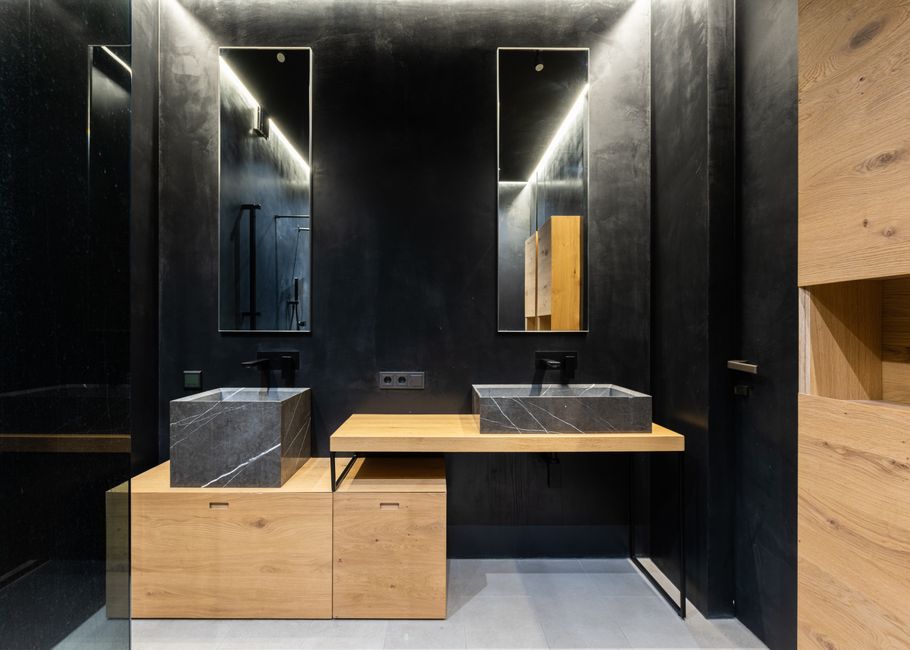
Effective bathroom lighting requires layering. While general ceiling lights ensure overall visibility, they rarely address the specific needs at the vanity. In a cramped vanity setup, the goal is to have lighting that’s:
- Bright enough for close-up grooming tasks
- Even and shadow-free
- Compact and unobtrusive to maximise space
LED mirrors tick these boxes by providing frontal illumination at the optimal angle. This is often missing from standard overhead downlights, which cast shadows below the chin or around the nose — a subtle but real annoyance in everyday life.
Counting the Light Sources
I’ve often found fewer than expected lighting sources in UK flats’ bathrooms when photographing or specifying. Many rely solely on ceiling downlights or a single strip bulb over the mirror, which creates uneven light and a gloomy atmosphere. Installing an LED mirror enhances the layered lighting setup without adding wiring complexity or clutter.
Front-Lit vs Backlit LED Mirror Effects
Within the world of LED mirrors, two main types dominate the market — front-lit and backlit. Each has pros and cons, especially when space is tight, and the goal is to brighten the wall effectively.
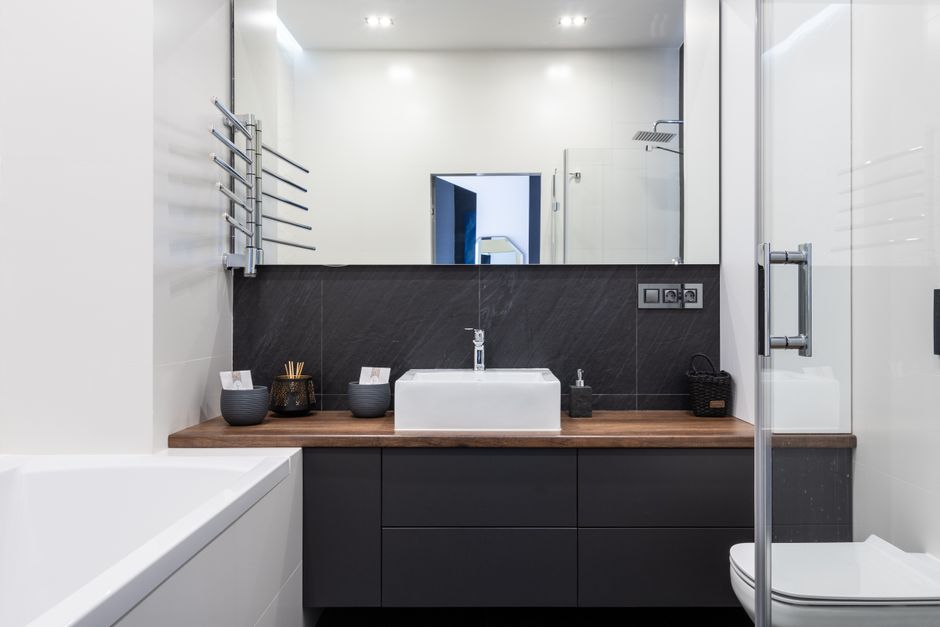
Feature Front-Lit LED Mirrors Backlit LED Mirrors Light Source Location Embedded LEDs around or on front surface LEDs mounted behind mirror edge, glowing onto wall Lighting Effect Direct illumination on face, high clarity Subtle halo effect; indirect ambient glow Cramped Vanity Suitability Excellent for task lighting, usually slimmer profile Can create depth but may need wall clearance Installation Complexity Usually plug and play, easier installation Requires careful mounting and spacing Impact on Brighten Wall Brightens user’s face primarily, less wall glow Brightens wall behind mirror, enhancing overall ambienceFrom my experience advising developers referencing products from LED Mirror World, front-lit mirrors excel at the task lighting essential for grooming. They reduce facial shadows dramatically and create a crisp, clear reflection. However, backlit mirrors add a touch of atmosphere by brightening the wall behind, which can visually enlarge a narrow vanity area by adding soft edges.
Which LED Mirror Type is Better for a Cramped Vanity?
For a cramped vanity wall, particularly in windowless bathrooms, a combination or a hybrid mirror sometimes offers the best of both worlds. If budget or installation constraints limit options, prioritising front-lit LED mirrors tends to make more practical sense as they provide focused, practical task lighting exactly where it’s needed.
Developers and landlords should be cautious of marketing hyperbole from suppliers calling basic LED mirrors “luxury.” The true value lies in understanding how light interacts in compact spaces and assessing wiring symmetry and placement for clean aesthetics. This attention to detail shows up in show home walkthroughs and later in snagging chats.
Additional Considerations for Developers and Designers
- Wiring Placement: Symmetry and discreet wiring behind the mirror or vanity unit maintain a clean look, which is appreciated by buyers noticing corners and edges during visits.
- Light Colour Temperature: Selecting LEDs with a daylight colour (around 4000K–5000K) helps brighten skin tones accurately and maintains a modern yet natural feel.
- Power Source: Ideally, the LED mirror should be powered from the same circuit as the main bathroom lighting, simplifying installation and avoiding multiple switches.
- Anti-Fog Feature: An LED mirror with an integrated anti-fog pad ensures clear reflection, a practical luxury that enhances user experience and product appeal.
- Energy Efficiency: LEDs are low power but verify lifespan and warranty for long-term reliability, a selling point for conscientious buyers.
Final Thoughts: Is an Illuminated Mirror Worth It?
In an increasingly competitive UK property market, especially in developments featured on platforms like Buildington and Forbes Global Properties, detail matters. An LED mirror in a cramped vanity area is not just a decor flourish — it’s a functional lighting upgrade that can brighten the wall, improve usability, and elevate the perceived quality of the bathroom.
It’s the kind of thoughtful feature that shows up in property listing photography and can influence buyer impressions in show homes. By balancing task lighting needs against limited space and considering the differences between front-lit and backlit LED mirrors, developers and designers can add genuine value to compact bathrooms.
Long story short: yes, an illuminated mirror is a very good idea — provided the specification matches the space and lighting goals realistically, not just with buzzwords and overpromising claims.